Monday, August 31, 2009

Mokihana


a native tree (Pelea anisata), found only on Kaua'i

As I was searching through my books searching for inspiration for today's word, my eyes were drawn to the word mokihana. Now anyone who knows me oh so well, knows that the mokihana is, by far, my most favorite lei in the world. This has nothing to do with Kaua'i being my favorite island to visit (well, maybe just a tad), but more to do with its wonderful fragrance, anise-scented fruits, strung together and entwined with maile lauliʻiliʻi lest the wearer bear the dark scars of burns. Yes, the mokihana berries may actually leave burn marks on the wearer's skin, especially if exposed to the sun. I always told people that the marks were well worth the wear because the smell just puts me in a trance. I can literally smell mokihana in the Edith Kanaka'ole Stadium during Merrie Monarch time rows and rows away from me and can follow the scent until I find the wearer. Its fragrance is becoming more and more elusive to me as perhaps it is becoming harder and harder to find.

The mokihana is the lei of the island of Kaua'i which is quite appropriate since it is endemic to the island (arrived by natural means and cannot be found anywhere else on earth). Entwined with the maile lauliʻiliʻi (small leafed maile, also found most abundantly on Kaua'i), it can be purchased when in seasons for $40+. Unfortunately, harvesters of these berries do not always take care of the trees when picking, often picking the fruit that is not quite ready (too small, too green) or overpicking to feed their pocketbook.

Mokihana onaona o Maunahina, lei hoʻohihi a ka malihini - The fragrant mokihana of Maunahina, lei in which visitors delight.

I kahi ʻē nō ke kumu mokihana, paoa ʻē nō ʻoneʻi i ke ʻala - Although the mokihana tree is at a distance, its fragrance reaches here (although a person is far away, the tales of his good deeds come to us)

Friday, August 28, 2009

Niho

tooth; toothed; nipper, as of an insect; octopus beak; claw, as of a crab; tusk; biting, of the teeth

Most people know niho to mean teeth or tooth. Most don't know that the claws of a crab are also his niho. Don't they serve the same purpose?

niho ʻole - toothless (I remember my dad calling me this when my baby teeth began falling out, then singing, way too many times, "All I want for Christmas is my two front teeth!")

He kekē niho wale iho nō - just an exposing of teeth (just threats)

niho huʻi - toothache; having a toothache (huʻi = ache, pain; aching)

niho ʻawa - poisonous fang or tooth, as of a centipede (literally - bitter tooth)

In Hawaiʻi the molars of defeated warriors, preferably or more likely those belonging to fallen chiefs, were taken and inlaid into bowls, like spittoons (used for the aliʻi to spit into to protect their mana, so that it can be properly disposed of) as an insult to that particular aliʻi. An example of this can be seen at Bishop Museum. I mean, talk about defiling someone's mana! Along the same lines, some kāhili posts (feather standards) were made from the leg bones of humans! That's gotta hurt!

He niho ko kaʻu keiki - My child has a tooth.
Ma hea kou niho? - Where is your tooth?

Thursday, August 27, 2009

Wāwae


leg, foot, paw; upper leg of a crab; foot of a rainbow; to walk.


This is a commonly mispronounced word, most likely because it's cumbersome, especially the ending part. Most people want to end with a long "ee"sound, as in knee. or say something like "waewae" or "waiwai" (which actually means wealthy or rich). I've even seen it spelled that way! The first half, "wā" should be emphasized, then followed by a light "wae".  Hmm, should add a sound byte to this blog.

wāwae pehu - gout (literally-swollen feet)

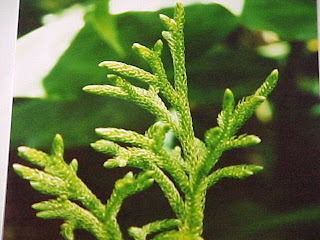
An interesting note: the limu we know as wāwae ʻiole (green, spongy like, looks like a mini shrub of sorts, ʻono in poke) literally means "rat feet" which sounds kind of gross but is quite descriptive of the limu and helps me to remember its name. Also interesting is there is a plant on land that bears the same name, can be found in the forests and looks almost EXACTLY like the limu. It is used frequently in lei wili!

Nui koʻu wāwae - My feet are big

Wednesday, August 26, 2009

Waha

mouth, opening, inner surface of a bowl, open top of a canoe, muzzle
of a gun, oral, one who talks too much :-)

"You all waha". Boy, I can just hear my dad saying this. And believe me, it's a lot funnier today as I think about it than it was when I used to hear it! Now, tell me you heard it, too, small kid time. It's when you say stuff and you are either making it up or just saying a lot of nothing. "You all mouth."

Isn't it ironic that the waha refers to a part of the canoe as does the ihu (nose). Wonder about tomorrow's word...

Here are some interesting "waha" words:

waha ʻawa - a bitter (ʻawa) and sadistic person who makes impulsive vindicative statements about the one he hates.

waha heʻe - to lie; lying, deceitful, false (literally, "slippery mouth. Not to be confused with waihe'e)

waha mana - voice of authority (literally powerful mouth)

Tuesday, August 25, 2009

ʻOluʻolu

reduplication of ʻolu (cool, refreshing; soft, supple, flexible, pliant), pleasant, nice, amiable, satisfied, contented, happy, affable, agreeable, congenial, cordial, gracious; please.

Frequently we meet people in our lives who are ʻoluʻolu by nature. Much like a couch can be ʻoluʻolu, or comfortable, certain people that we know possess that kind of comfort. These are people who are very gracious and cordial, so much so that we never want to lose them as friends and are confident that we never will by virtue of the ʻoluʻolu-ness. And like not wanting to give away that old ratty couch. we will never leave these friendships. Now I'm not comparing ʻoluʻolu friends to ratty old couches, just the feelings that they evoke! And though we all strive to be ʻoluʻolu in most that we do, I know but a small handful of people who are truly like this. How about you?

He kanaka ʻoluʻolu 'o Kahu Kaupu - Kahu Kaupu is a nice person

ʻOluʻolu is also the word used for "please", the magic word. You can use it like this:

ʻoluʻolu, e honi iaʻu - please kiss me.
E honi iaʻu, ke 'ʻoluʻolu - kiss me, please

Notice how there is an "e" in the beginning please, but when please occurs at the end of the sentence, it changes to "ke".
Thus ends the language lesson.

Monday, August 24, 2009

Piko

1. navel, navel string, umbilical cord.
2. summit or top of a hill
or mountain, crest, crown of the head.
3. a common taro with many varieties.


There are many more meanings for piko, these above are just the more commonly known ones. Most common of them all is number 1 above. The navel. Pehea ko piko? How is your navel? This is used as a common question after saying aloha. Not always thought of as appropriate because figuratively piko refers to blood relatives and, lo and behold, the genitals. so pehea ko piko could be viewed as an inappropriate question by some (how's your genitals?). But, hey, it's all in the perception, right? Like so many things. But mostly, in poetic reference, it does refer to relatives and it is said that if one dreams of an injury to one's piko it is an omen of the death of a close relative. I would take it to mean that one of my close relatives got one of those piko rings. A bellybutton pierce. Ouch.I s that like taking a pin and poking it at a relative?

Ku'u ewe, ku'u piko, ku'u iwi, ku'u koko - my umbilical cord, my navel, my bones, my blood (said of a very close relative)

Mō ka piko - cut is the umbilical cord (a friendly relation between closely related persons has been severed)

Also, after women gave birth they would take the piko and hide it in certain crevices of rocks (I don't think that any rock would do since there are some areas/rocks well known for this practice) to ensure their baby's good health. If the piko was taken by a rat, then it was thought that the child would grow up to be a thief, much like a rat.

He piko pau 'iole - an umbilical cord taken by a rat (a chronic thief)

My babies' piko are all well taken care of, thank you very much. Don't want no thieves around!

Friday, August 14, 2009

mohala

unfolded, as flower petals; blossoming, opening up; spread, as a turkey's tail; blooming, as a youth just past adolescence; shining forth, as a light, appearing clear, as a thought; evolved, developed.

What a beautiful word. And to mean such different, yet similar things. a blooming flower, a male turkey's tail (and I do see lots of turkeys in Paʻauilo), a child emerging into the next stage of life. All a blossoming forth into new beauty.

We mostly hear mohala referring to the blossoming of flowers, as in the Hālau Mohala 'Ilima (hālau of blossoming 'ilima), with kumu hula Mapuana de Silva.

I mohala nō ka lehua i ke keʻekeʻehi ʻia e ka ua - lehua blossoms unfold because the rains tread upon them. (It is the rain that brings forth the lehua blossoms. So do gentle words bring forth much that is desired).

Ua hoʻomohala ʻia kona naʻau kānalua - his doubting heart began to feel courage.